How UAE Businesses Can Stop Wasting Time on Disconnected Software and Scale Faster
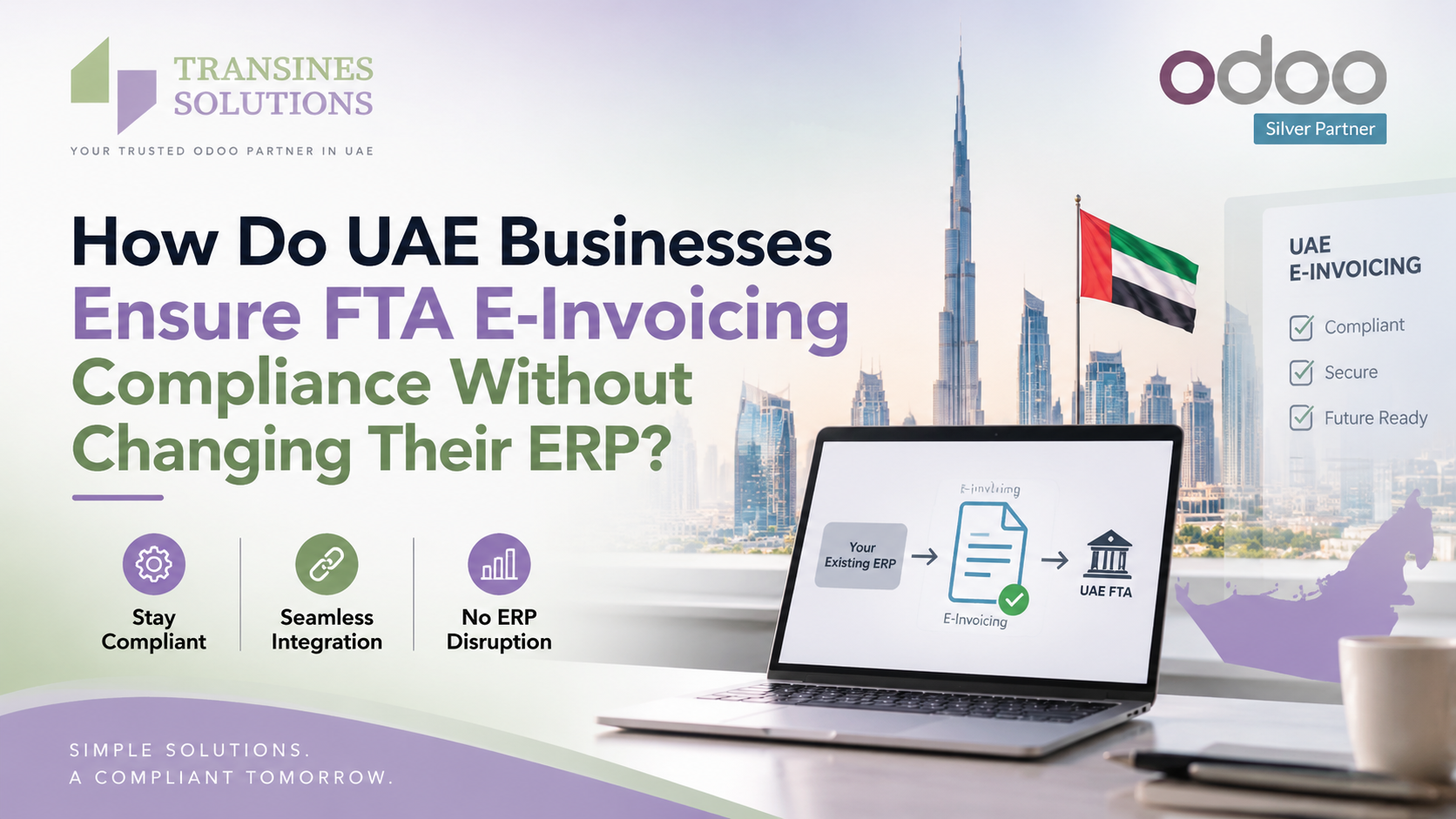
When the UAE Federal Tax Authority (FTA) introduced the mandatory national e-invoicing framework, business owners and CFOs across Dubai faced a major question: Do we have to replace our existing management software to stay compliant? The short answer is no. You do not need to discard your current systems to meet regulatory mandates. By implementing localized integrations or digital middleware, growing companies can achieve full compliance while maintaining daily business continuity. Understanding the UAE FTA E-Invoicing Mandate The FTA’s electronic invoicing model requires businesses to generate, exchange, and report invoices in a structured, standardized format (such as XML). Rather than emailing standard PDF invoices to clients, compliant billing relies on automated data exchange and system-to-system verification. For organizations operating out of commercial hubs like Business Bay, JLT, or Al Qusais, continuing to rely on manual invoice entries or legacy systems introduces compliance risks and delays. The Common Compliance Bottlenecks Most legacy accounting software lacks the localization needed for regional tax frameworks. Companies usually encounter three main operational challenges: Unformatted Invoice Data: Generating bills that lack mandatory FTA structural XML fields. Double Data Entry: Manually copying billing data into external portals, leading to costly human error. Audit Trail Gaps: Struggling to maintain long-term, tamper-proof historical billing records as required by UAE tax law. The Solution: Seamless Software Localization Instead of undertaking an expensive software overhaul, the most efficient route to compliance is deploying a localized Odoo ERP Software deployment or integrating your current system using targeted APIs. With localized Odoo Accounting Software, companies can automatically generate FTA-compliant e-invoices directly from their existing sales orders and billing workflows. This localized approach delivers clear operational advantages: Automated Data Validation: TRNs (Tax Registration Numbers), line items, and tax amounts are checked before invoice issuance. Direct System-to-System Sync: Eliminates spreadsheet exports and reduces administrative overhead. Unified Financial Reporting: Combines daily billing, inventory movement, and VAT reporting on a single dashboard. 4 Steps to Prepare Your Business for E-Invoicing To ensure a smooth transition without interrupting client billing, follow this step-by-step preparation checklist: Audit Your Current Billing Workflow: Identify where invoices originate (sales, CRM, or POS) and verify if your software can export structured XML data. Cleanse Master Customer Records: Ensure all client records have verified TRNs, legal entity names, and accurate UAE addresses. Implement Localized Modules: Connect custom integrations or localized Odoo Business Management Software tailored to UAE tax regulations. Train Your Financial Team: Run internal workshops on handling exceptions, credit notes, and automated invoice verification. About Transines Solutions Located in Office 311, Al Sheikha Mahara Ahmed Al Ghurair Building, Al Qusais, Dubai, Transines Solutions is an official partner specializing in Odoo ERP Software implementations, custom module development, and staff augmentation across the UAE. Our Give (To Dubai Syndicate Members): A free 30-minute operational review and software compliance audit to help identify bottlenecks and automation opportunities in your billing workflow. Our Ask: Introductions to UAE business owners, Managing Directors, or Operations Heads seeking to streamline processes, achieve FTA e-invoicing compliance, or upgrade their enterprise software.